Perimeter security and CER fencing at three protection levels based on risk assessment
Perimeter security is the physical protection of an area with fences, gates and barriers, and its protection level is determined by the site's risk assessment. Pur-ait supplies perimeter security at three protection levels, from LPS 1175 certified fences to ISO 22343 crash-rated gates, including for sites covered by the Finnish CER Act. Design, manufacturing in Suutarila, Helsinki, installation and maintenance all come from one place.
Protection levels
Three levels, one partner
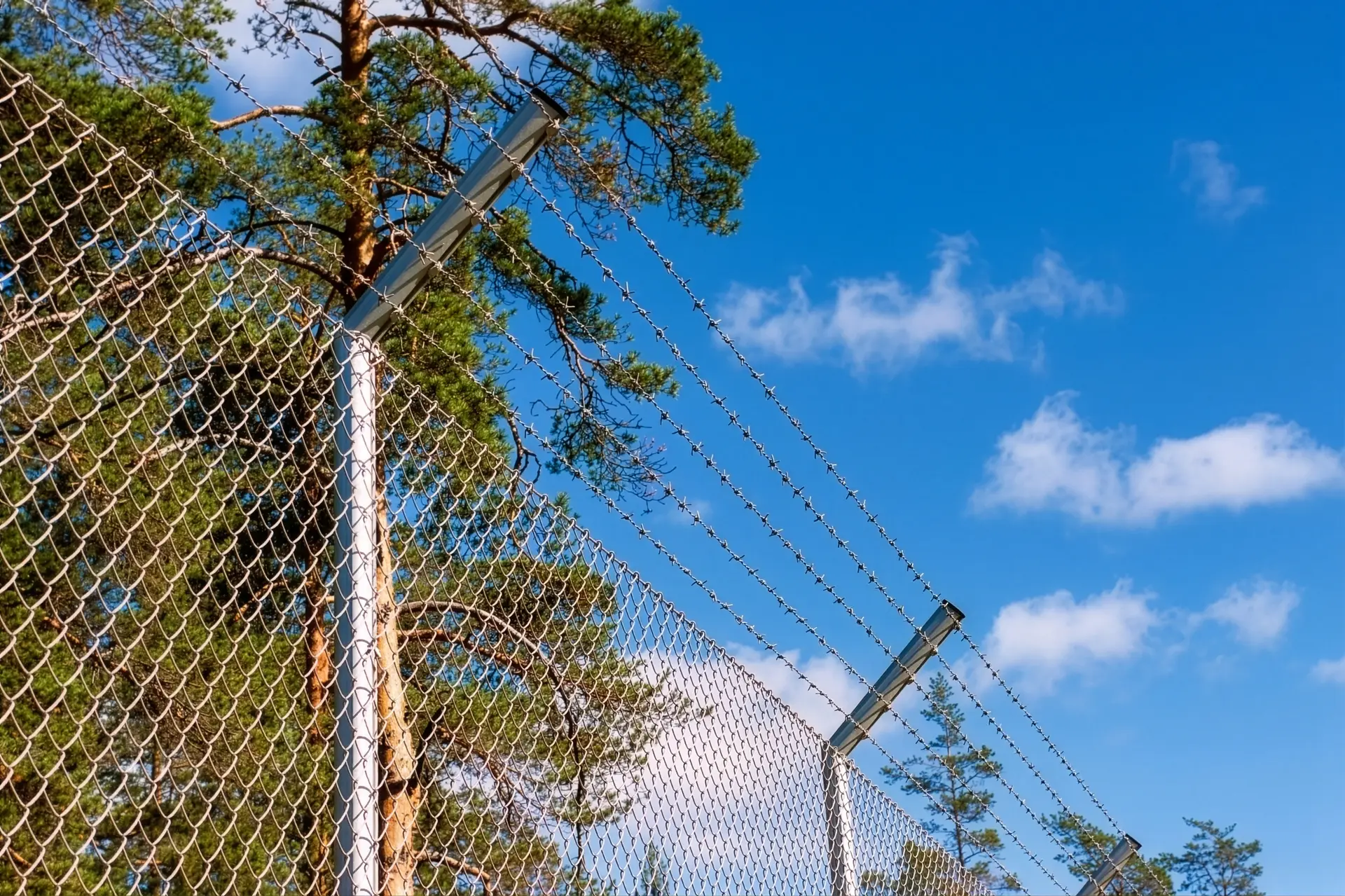
Perimeter security level 1, low-risk sites
A solid baseline. A reliable basic solution for sites that need a clear boundary and access control. Can be upgraded to a higher level as requirements grow.
Products
- Chain-link fence
- Protector and Classic sliding gates
- Swing gate (Swing)
- Carousel full-height turnstile
- Boom barriers
Typical sites
- Production facilities
- Warehouses
- Logistics centres
- Distribution terminals
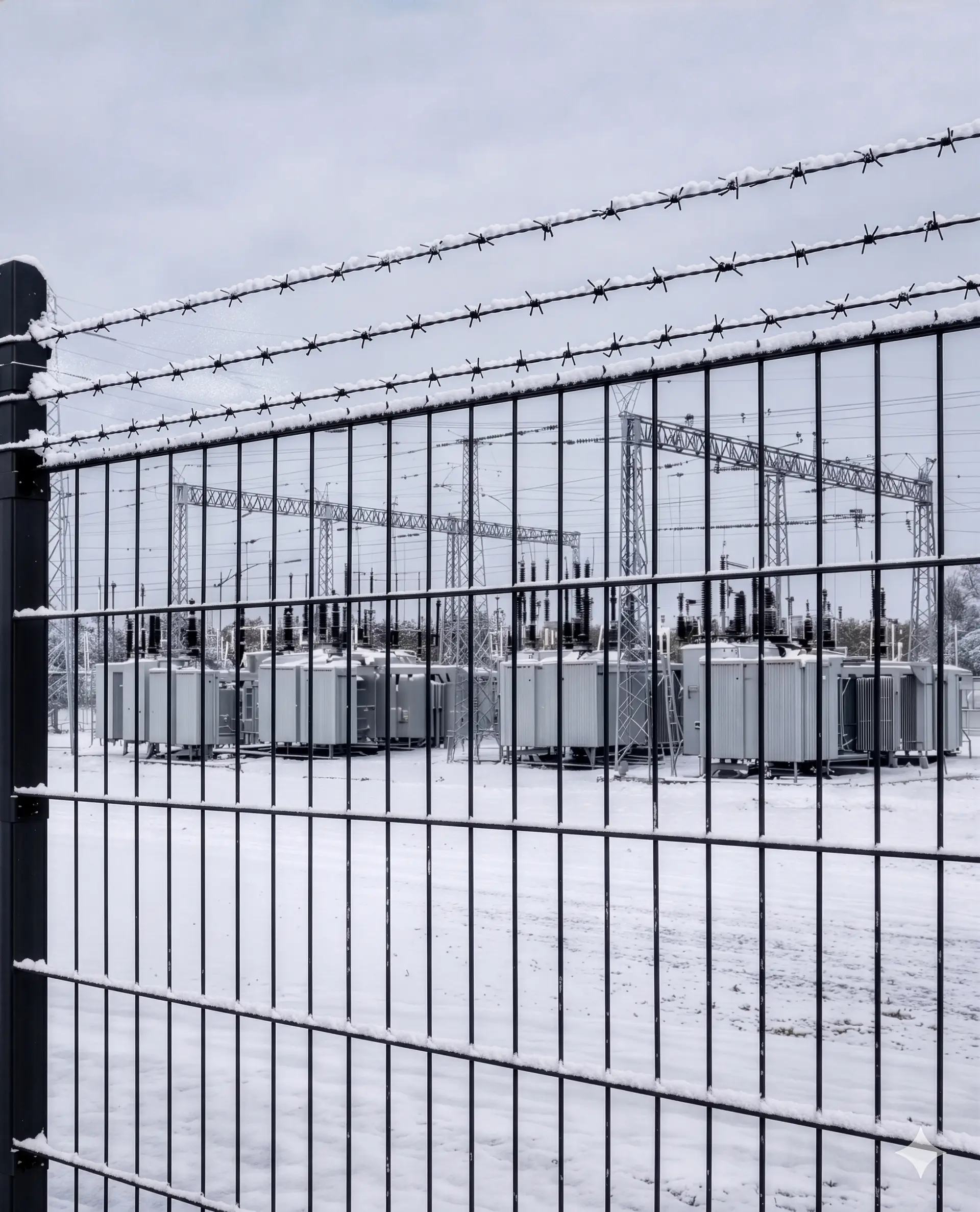
Perimeter security level 2, critical risk level
Reinforced protection. For when a basic fence is no longer enough. Withstands significantly more stress. A natural path towards even higher protection.
Products
- 2D panel fence 8/6/8
- Protector sliding gate
- Speed bi-folding gate
- Swing gate
Typical sites
- Public institutions
- Hospitals
- Courts
- Energy plants
- CER sites
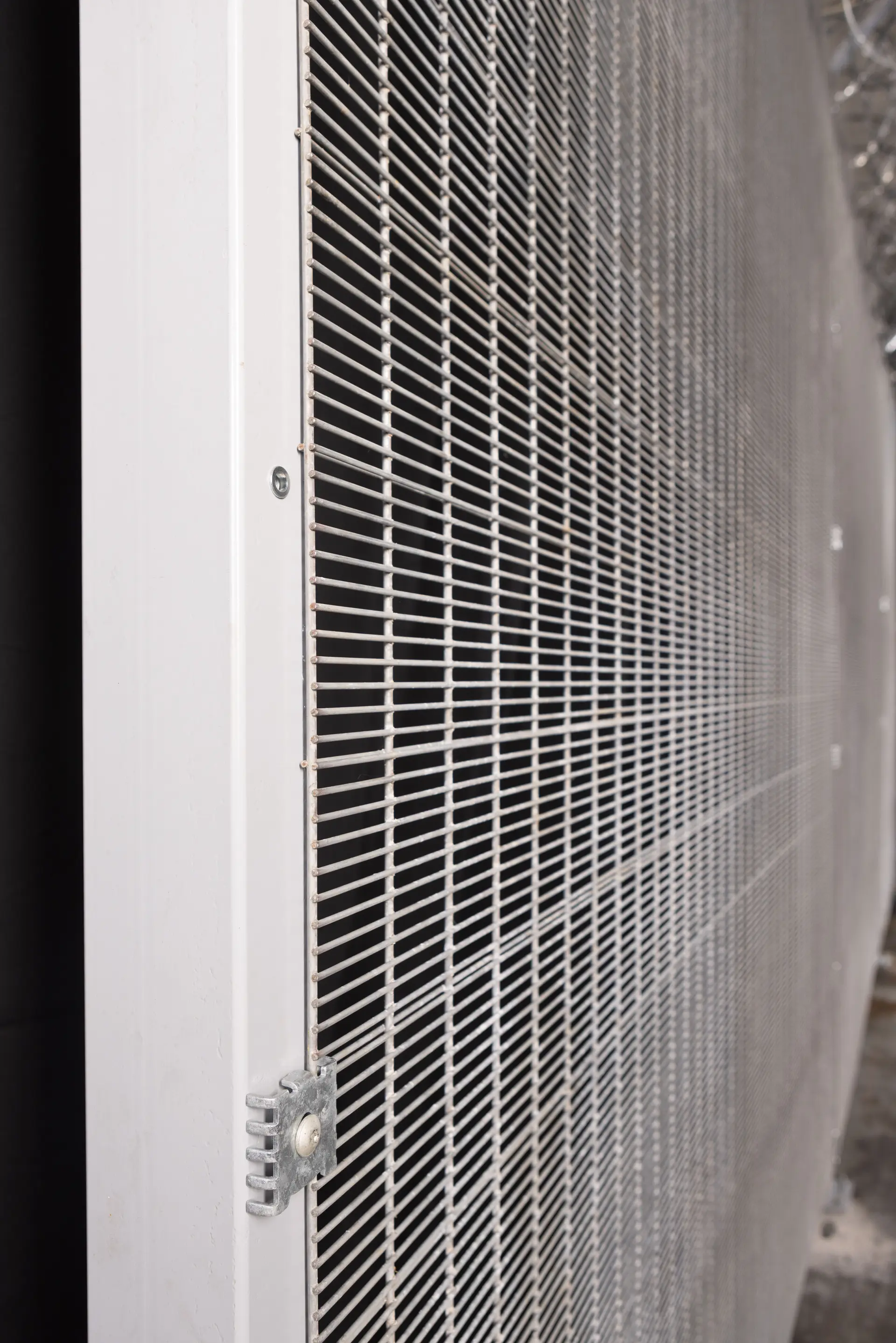
Perimeter security level 3, high risk level
Maximum protection. Our highest level of fence protection. Designed for sites where the protection must withstand professional break-in tools. The mesh is so dense that it cannot be gripped with fingers or ordinary tools.
Products
- 358 High Security fence
- Betafence Securifor
- Palifor (crash-tested)
- Speed bi-folding gate
- Crash-rated gates
Typical sites
- Data centres
- Power plants
- Water utilities
- Telecommunications infrastructure
- CER-critical sites
Risk assessment
Assess the risk level of your site
Answer three questions to get a recommendation for the right perimeter security level.
Is your site covered by the CER Directive?
Energy, water supply, transport, telecommunications, health, banking, public administration...
Does the site contain critical data or infrastructure?
Data centres, power plants, water utilities, telecommunications nodes...
Has unauthorised access been attempted before, or is the site under a specific threat?
Previous intrusion attempts, targeted threats, a high-risk location...
Once the risk level has been assessed, we have the solution.
Book a free 30-minute site survey. We help you choose the right level.
Finnish CER Act 310/2025
The law requires it. We help you comply.
The CER Directive requires entities that are critical to society to protect their premises physically. If your organisation provides an essential service such as energy, water, transport or telecommunications, you must ensure adequate protection.
Pur-ait High Security solutions are designed for environments where the role of physical protection is to delay and prevent unauthorised intrusion.
The Act covers 11 sectors
Is your site covered by the CER Directive? Let us find out together.
Standards
ASTM F2781 / LPS 1175 / EN 1627
The three key international security fence standards and their main differences in test methods, classification and official status.
The comparison is shown up to the LPS 1175 Issue 8 maximum level C5/SR3. The standard includes higher SR classes all the way up to H20/SR8, which use increasingly aggressive tools.
Crash ratings
Vehicle impact protection standards explained
Products that protect against vehicle impact are rated in two ways. One is the American ASTM F2656 standard, which has an older K designation and a newer M designation. The other is the international ISO 22343-1 code. Both are explained below at a glance.
Complicated? Leave it to us.
Among all the K, M, P and ISO ratings, only one thing really matters, which is that your site gets the right protection level. Pur-ait assesses the threat, interprets the standards and dimensions the solution for you.
Perimeter security in practice, in-house production in Suutarila, Helsinki
Perimeter security means protecting the outer boundary of a site so that unauthorised access is prevented or delayed for long enough. Pur-ait designs, manufactures, installs and maintains perimeter security itself, and production is in Suutarila, Helsinki.
Perimeter security is a complete system, not just a fence
In physical perimeter security, fences, gates, barriers and access control work together. The fence defines the area, delays the intruder and directs traffic to controlled access points. Each protection level has its own fences and gates. At the higher levels, anti-climb protection, anti-dig protection and compatibility with perimeter intrusion detection systems are added.
Delay is sized according to response time
The delay required of the fence depends on the response time of the rest of the security system. The longer the response time, the more delay is required of the fence. The highest level fences have been tested to the LPS 1175 standard, which measures how long a structure withstands determined intrusion with specified tools.
Critical perimeter security and the Finnish CER Act
Critical perimeter security means protecting sites that are vital to the functioning of society. Examples include energy production, water supply, data centres and telecommunications. For an entity covered by the Finnish CER Act, physical protection is part of the risk assessment and resilience plan required by the Act. Perimeter security must then provide perimeter barriers that delay or prevent intrusion, as well as compatibility with surveillance and access control systems.
The risk assessment determines the protection level
The right level is chosen on the basis of the risk assessment, not the budget. The assessment establishes what is being protected at the site, what an intrusion would lead to and what kind of threat is likely. An insurance company or an authority may also require a certain minimum level. The level can be raised later. A level 1 fence can be reinforced, for example by increasing the height of the structure or strengthening the posts, when the threat changes. The differences between the levels are explained in more detail in our guide to choosing a perimeter security level (in Finnish).
One supplier from design to maintenance
Pur-ait manufactures its fences and gates in its own production facility in Suutarila, Helsinki. Design, manufacturing, installation, maintenance and spare parts all come from one place, so a single supplier is responsible for the perimeter security of the site throughout its life cycle.
Book a free 30-minute site survey and we will assess the risk level of your site and the perimeter security level that suits it.
Frequently asked questions
The CER Directive and perimeter security
Answers to the most common questions about the Finnish CER Act, protection levels and certificates.
What is a CER fence?
What does the CER Directive mean?
When does the CER Act enter into force in Finland?
Which sectors does the CER Act cover?
What does the CER Act require of physical protection?
What is LPS 1175 and how does it differ from EN 1627?
Which perimeter security level is right for our site?
Who is responsible for supervising CER obligations?
Within what time must a critical entity carry out a risk assessment?
What must be done in the event of an incident?
What do LPS 1175 ratings A1 and B3 mean in practice?
Site survey
Is your site covered by the Finnish CER Act?
Book a 30-minute site survey. We will tell you which protection level suits your site, with no obligation.
Book a site survey